20 August 2026
Motorola Two-Way Radio: The Layer That Reaches Everyone
Digital radio for the departments that are not on intercom — coverage, licensing, and tying radios into the wider comms system.
Not everyone on a site needs a beltpack. Security, stewards, catering, traffic marshals and site crew need something rugged, cheap to issue in numbers, and understood by anyone who picks one up. That is what two-way radio is for.
**Coverage first**
Radio is easy to buy and easy to get wrong. A handful of handhelds will work in an empty hall and fail on show day, because the building changes when it fills. We plan coverage properly — a repeater and antenna position chosen for the site, not for convenience — and test it with the room in the state it will actually be in.
**Digital, and why**
Digital gives you more talkgroups in the same spectrum, clearer audio at the edge of coverage, and battery life that lasts a genuine double shift. It also fails more gracefully: analogue degrades into hiss, where digital holds intelligibility until it doesn't.
**Licensing**
UK radio use needs an Ofcom licence, and a shared "suppliers light" licence is not always adequate on a busy site where several companies are working. Getting this right is part of the job, not an afterthought.
**Talking to intercom**
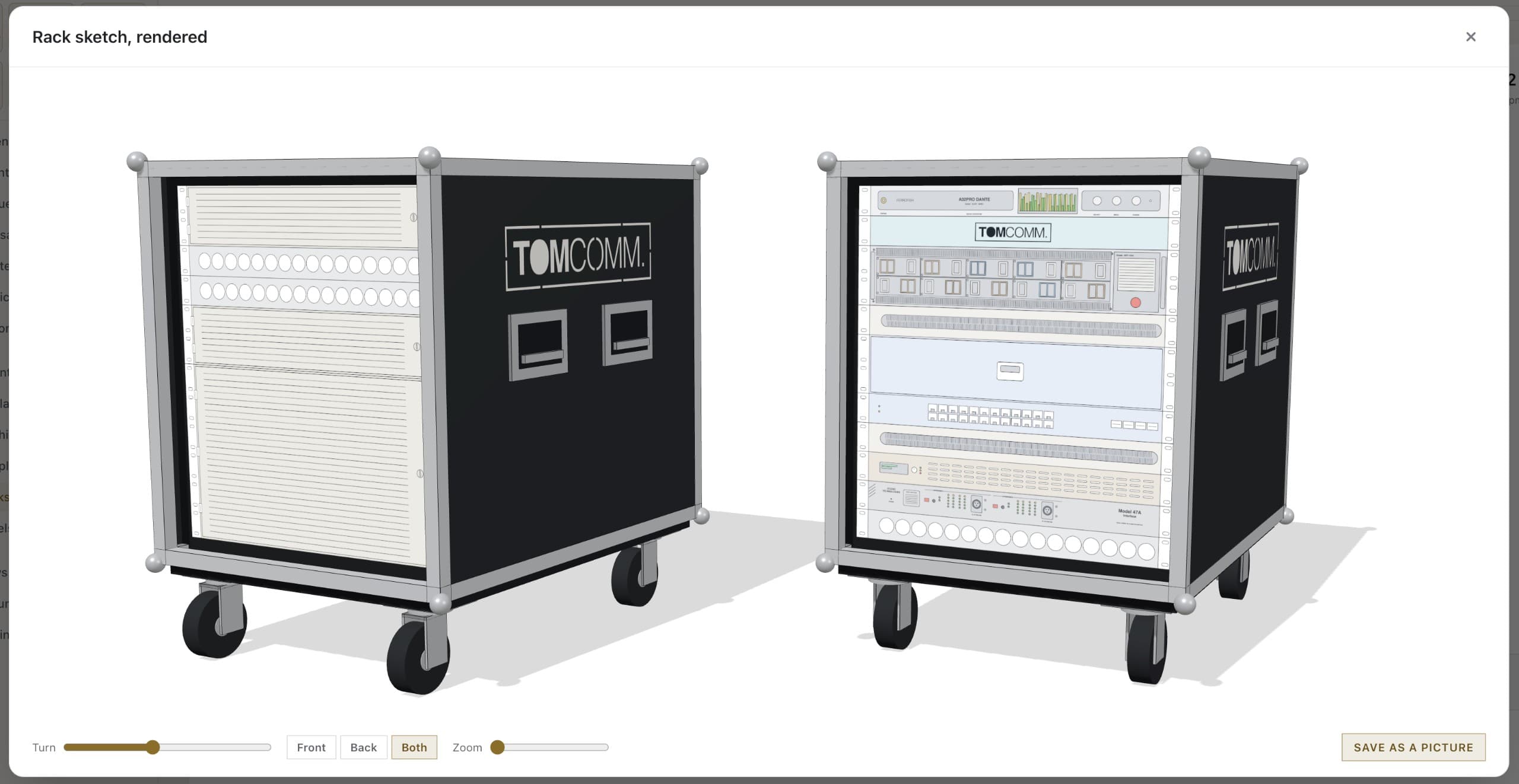
The useful part is the bridge. A radio interface into the matrix means the production manager on a beltpack can reach the security lead on a handheld without anyone changing device. Two systems that cannot talk to each other are two systems you have to staff separately.
**Accessories are not optional**
Earpieces, speaker mics and multi-way chargers decide whether radios get used properly. A radio in a pocket with the volume down is not communication. We spec and supply the whole kit, and we bring spare batteries, because we know exactly how the day goes otherwise.